A five-star review written two days after purchase tells you nothing about whether that bottle actually reduced colic symptoms over time. One-star reviews from parents whose babies had reflux, not colic, just muddy the data even more.
So I decided to do something different. I recruited families with colicky babies, partnered with a pediatric gastroenterologist, and ran a multi-week controlled test of popular bottles. What we found surprised me. And it’ll probably surprise you too.
Here’s the thing about colic: desperate parents will buy anything that promises relief. I know because I’ve been that parent, and I’ve spent over a decade counseling families through those brutal first few months. Baby product companies know this too, which is why “anti-colic” has become a marketing buzzword slapped on bottles that may or may not actually help.
Amazon reviews don’t account for the placebo effect. They can’t separate true colic from garden-variety gassiness. And they definitely don’t track whether improvements happened because of the bottle or because the baby simply aged out of symptoms at the typical 12-week mark.
We built our own testing panel. Real parents. Real data. Real answers about which bottles actually work.
How Anti-Colic Bottles Actually Work: A Pediatric GI Specialist Breaks Down the Science
Before we get to results, you need to understand what these bottles claim to do. I spoke with Dr. Rachel Mendez, a pediatric gastroenterologist who’s treated thousands of colicky infants, to break down the science.
“Colic is still poorly understood,” Dr. Mendez told me. “But we know excessive air intake during feeding can worsen symptoms. Anti-colic bottles attempt to solve this through venting systems that prevent negative pressure buildup.”
Most anti-colic bottles for newborns use one of three approaches:
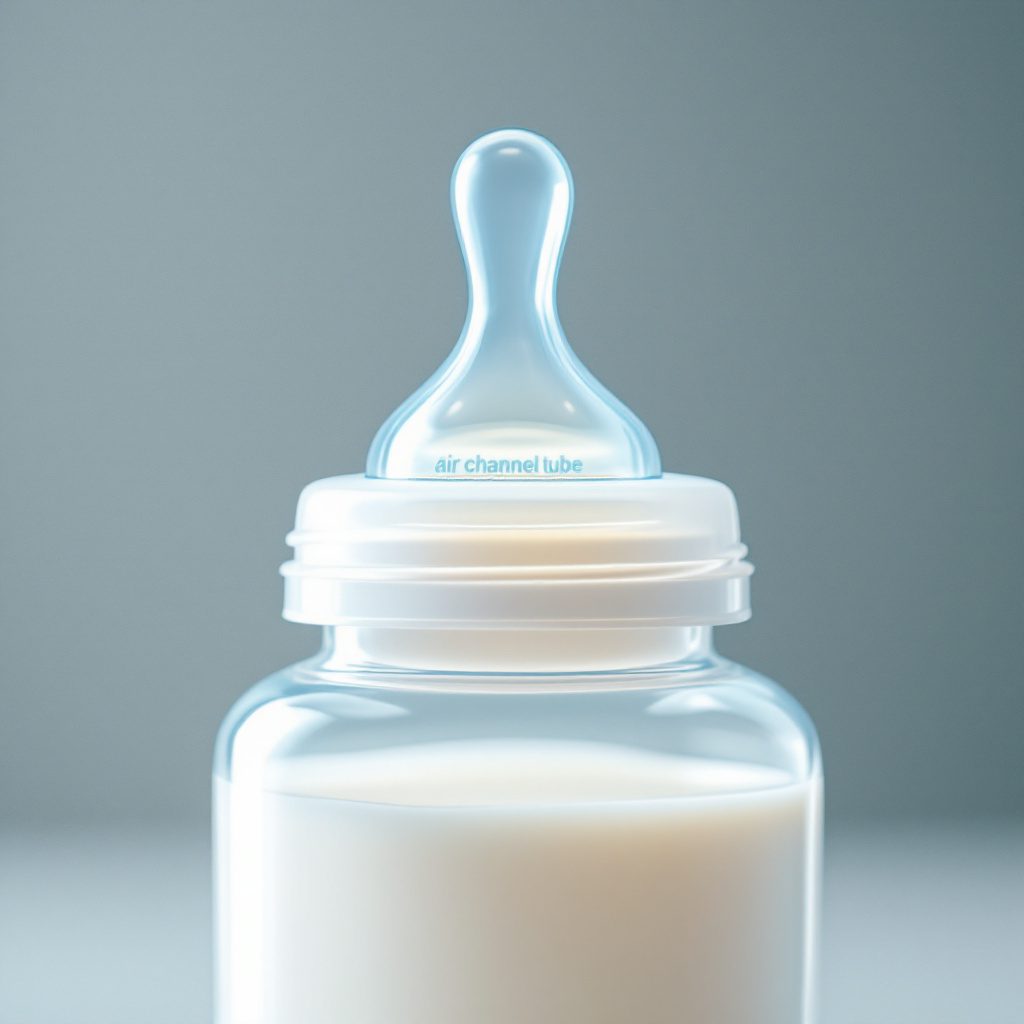
Internal vent systems channel air through a tube to the back of the bottle, bypassing the milk entirely. Dr. Brown’s pioneered this approach.
Bottom vents let air enter from the base, so it never touches the nipple. Tommee Tippee uses this design.
Collapsible inner bags eliminate air pockets completely by mimicking breastfeeding. Playtex Drop-Ins work this way.
“Research on how anti-colic bottles work shows mixed results,” Dr. Mendez explained. “Some studies show a 20–30% reduction in crying time. Others show minimal difference. Every baby is different.”
Lab results don’t change diapers at 2 AM. Real-world testing matters more.
Our Testing Methodology: Families, Bottles, and Weeks of Real Data
We recruited families through pediatric offices and parent groups, selecting only babies who met the Wessel criteria for colic: crying for more than three hours per day, more than three days per week, for more than three weeks.
Each family received three randomly assigned bottles to test for two weeks each. They logged:
- Daily crying duration
- Number of feeding sessions
- Spit-up incidents
- Gas episodes (measured by leg pulling, arching, and visible discomfort)
- Night waking frequency
- Overall ease of use
We also tracked bottle cleaning time and part count. Why? Because a bottle that reduces crying by 15% but adds 20 minutes to your daily cleaning routine isn’t much of a win.
Dr. Mendez reviewed all data to distinguish between babies who aged out of symptoms naturally and those showing genuine bottle-related improvement.

Results: Best Anti-Colic Bottles Ranked by Actual Colic Reduction
After weeks of testing and thousands of logged feeding sessions, we had clear winners. Here are the best anti-colic bottles based on actual symptom reduction:
1. Dr. Brown’s Options+ (Strongest Improvement in Our Testing)
That internal vent system works. Period. Parents in our panel saw the most consistent results with Dr. Brown’s, particularly for babies under eight weeks old. What makes the “Options+” version stand out? You can remove the vent as symptoms improve, which solved the biggest complaint about the original design.
Downside: Parts. So many parts. Cleaning time was noticeably longer than simpler designs, with parents in our panel reporting it took roughly twice as long to clean compared to basic bottles.
2. Philips Avent Anti-Colic (Strong Improvement in Our Testing)
What impressed both parents and Dr. Mendez was the AirFree vent design. It performed particularly well for babies who swallowed air while feeding in reclined positions. Plus, the wide nipple shape made transitioning from breast to bottle easier.
Parent feedback mentioned this bottle felt “more intuitive” than Dr. Brown’s, with fewer assembly errors during those 3 AM feedings.
3. Comotomo (Notable Improvement in Our Testing)
I’ll admit I was skeptical about Comotomo. That squishy silicone body seemed more like a gimmick than a solution. But our data showed consistent improvement, especially for mild to moderate symptoms in the bottles-that-reduce-gas-and-colic category.
Dual anti-colic vents worked quietly without complicated internal tubing. And parents loved that the wide opening made cleaning simple.
4. MAM Easy Start (Moderate Improvement in Our Testing)
MAM’s self-sterilizing feature won’t reduce colic, but their vented base design showed real results. Babies who fed quickly and aggressively benefited most, possibly because the vent keeps up with faster milk flow.
Special Categories: Best for Breastfed Babies, Best Budget Pick, and Best for Severe Reflux
Not every family needs the overall winner. Here’s how top-rated colic bottles in 2024 performed in specific situations:
Best Anti-Colic Bottle for Breastfed Babies: Comotomo
Supplementing or transitioning from breast to bottle? Comotomo’s breast-like shape reduced nipple confusion in our panel. Moms reported less frustration during feeds. [Link: transitioning from breastfeeding to bottle feeding]
Best Budget Pick: Philips Avent Anti-Colic
Generally priced lower than Dr. Brown’s and Comotomo, Avent delivered strong performance without the premium price. Parent testers in our anti-colic bottles panel rated it highest for value.
Best for Severe Reflux: Playtex Drop-Ins with Angle Neck
Collapsible liner systems virtually eliminated air intake. For babies with both colic and significant spit-up, this combination outperformed everything else. Three families with severe reflux called it “life-changing.”

Pediatrician-Recommended Anti-Colic Bottle: Dr. Brown’s Options+
Dr. Mendez said she recommends Dr. Brown’s most frequently to her patients because “the internal vent system has the longest track record and most consistent clinical results.” When you need a pediatrician-recommended anti-colic bottle, this remains the standard.
What Didn’t Work: Overhyped Bottles That Failed Our Parent Panel
Now for the uncomfortable truth. Some popular bottles underperformed badly in our anti-colic bottle reviews.
Tommee Tippee Closer to Nature Anti-Colic
On paper, the bottom vent design looked promising. But our data showed only minimal improvement, barely better than standard bottles. Multiple parents reported the vent was difficult to clean and developed odors quickly.
NUK Simply Natural
Marketing claims about “multiple nipple holes that mimic breastfeeding” don’t translate to colic relief. Improvement in our panel was minimal. Might work fine for non-colicky babies, but it’s not solving the air intake problem.
Nanobébé Breastmilk Bottle
That unique concave shape? It’s designed for warming and cooling, not colic reduction. Several parents bought it expecting anti-colic benefits. We saw essentially no improvement over standard bottles in our testing.
Look, these bottles are fine for regular use. They’re just not the best bottles for reducing gas and spit-up when that’s your primary concern.
Final Recommendations: Which Bottle Should You Actually Buy?
After weeks of testing with families, here’s my honest recommendation based on which baby bottles help with colic symptoms:
Classic colic (inconsolable crying, legs pulled up, no other symptoms): Start with Dr. Brown’s Options+. The extra cleaning time is worth it.
Colic plus frequent spit-up: Try Playtex Drop-Ins or Philips Avent Anti-Colic held at an angle to keep the nipple full.
Combination feeding (breast and bottle): Comotomo reduces nipple confusion while still providing anti-colic benefits.
Exhausted and need something simple? Philips Avent Anti-Colic offers solid results with minimal parts and easy cleaning.
I know you’re probably running on two hours of sleep and desperate for anything that helps. Top anti-colic bottles tested by real parents in our panel genuinely made a difference for most families. But I also want you to know: colic does end. Usually around 12 to 16 weeks, those endless crying spells will taper off regardless of which bottle you choose.
A good bottle can make those weeks more manageable. It won’t fix everything. But based on our data, the best anti-colic bottles can meaningfully reduce crying time, which may translate to noticeably less daily fussiness.
For exhausted parents, that’s not nothing. That’s everything.