Most parents walk into a store, press their hand into a crib mattress, and think, “Feels fine.” I get it. I used to do the exact same thing before I started researching infant sleep for a living. But here’s the uncomfortable truth: a surprising number of mattresses that look great in photos or feel cozy in your hands fail the simplest pediatric firmness checks. The safest crib mattress is the one that keeps your baby supported, stable, and breathing easily. That gap between how mattresses are marketed and how we actually test them? It matters. A lot.
I spend a good chunk of my workday talking to parents who genuinely want to choose the safest products but feel completely overwhelmed. Can you blame them? Every company loves to call their mattress “breathable” or “non-toxic” or “pediatrician recommended,” and those claims get confusing fast.
This guide walks you through how pediatric sleep experts actually evaluate crib mattresses. No fluff. No secret lab equipment. Just straightforward methods, real-world explanations, and simple at-home tests that’ll help you understand how to choose a safe crib mattress without memorizing scientific terms.
The Firmness Reality Check: Clinical Testing Methods You Can Do at Home
Firmness is the single most important factor for safe infant sleep. Take only one thing from this entire guide? Let it be this: newborns need a firm surface, even when you think a softer one looks more comfortable. (Trust me, I’ve had this conversation with grandparents more times than I can count.)
How Firm Should a Crib Mattress Be for a Newborn?
A safe mattress shouldn’t let your baby’s head sink in. Your baby should stay level. Keeping the surface flat reduces the risk of rebreathing and helps protect their airway.
The At-Home Crib Mattress Firmness Test
I teach parents a simple test inspired by clinical assessments. It takes less than ten seconds.
- Press your palm firmly into the center of the mattress.
- Remove your hand and watch how quickly the surface bounces back.
- When the indentation lingers for more than a moment, it’s too soft.
- Repeat near the edges. Softer edges can trap little noses against the crib rails.
When a mattress doesn’t pass this crib mattress firmness test at home, it doesn’t matter how many certifications it claims to have. In the best crib mattress comparison tests I’ve done over the years, firmness failures are surprisingly common, especially among mattresses marketed as “super comfortable” or “plush.”
A Quick Note About Dual-Firmness Mattresses
I like dual-sided designs for families who want longevity, but the infant side must still be very firm. Does it feel even slightly cushiony? Trust your gut and walk away.
Decoding Safety Certifications: Which Stamps Actually Protect Your Baby
Parents tell me all the time that they feel pressure to memorize every acronym on a product page. Good news: you really don’t need to. Only a few certifications are tied to crib mattress safety standards. The rest are mostly marketing badges.
The ones worth your attention:
Certifications Worth Paying Attention To
- GREENGUARD Gold: Screens for thousands of chemical emissions.
- CertiPUR-US: Applies only to foam components but is helpful for ruling out specific chemical groups.
- GOTS: Indicates certified organic textiles, which I appreciate for families avoiding pesticide exposure.
- CPSC Compliance: This is the baseline for crib mattress safety in the United States.

What Certifications Matter for Crib Mattresses?
You only need one or two good ones. Twelve different seals on a mattress doesn’t make it safer. It just means a busier label.
Certifications That Don’t Guarantee Safer Sleep
Anything about “luxury,” “comfort,” or “spa-level softness” should raise a flag. Those often point to a mattress that’s too soft for infants. Softness? That’s a safety issue, not a luxury.
The Breathability Myth: When Airflow Features Matter and When They’re Marketing
“Breathable crib mattress” claims are everywhere right now. Some are legitimate. Others are little more than fancy fabric descriptions.
Let me clear this up.
When Breathability Helps
- You live in a warm or humid climate.
- Your baby’s a sweaty sleeper.
- You want extra airflow under the sheet.
In these cases, a breathable crib mattress can help regulate temperature. Heat buildup is uncomfortable for babies, and some airflow designs genuinely reduce it.
When Breathability Does Not Equal Safety
Parents ask me a lot: “Does a breathable mattress mean I can relax about safe sleep?” Nope. Babies should always sleep on their backs on a firm surface. Breathability doesn’t replace those guidelines. Ever.
Best Breathable Crib Mattress for Hot Sleepers
Look for designs that combine firm support with channels or perforations allowing air to move through the core. Avoid anything soft or squishy in the name of airflow.
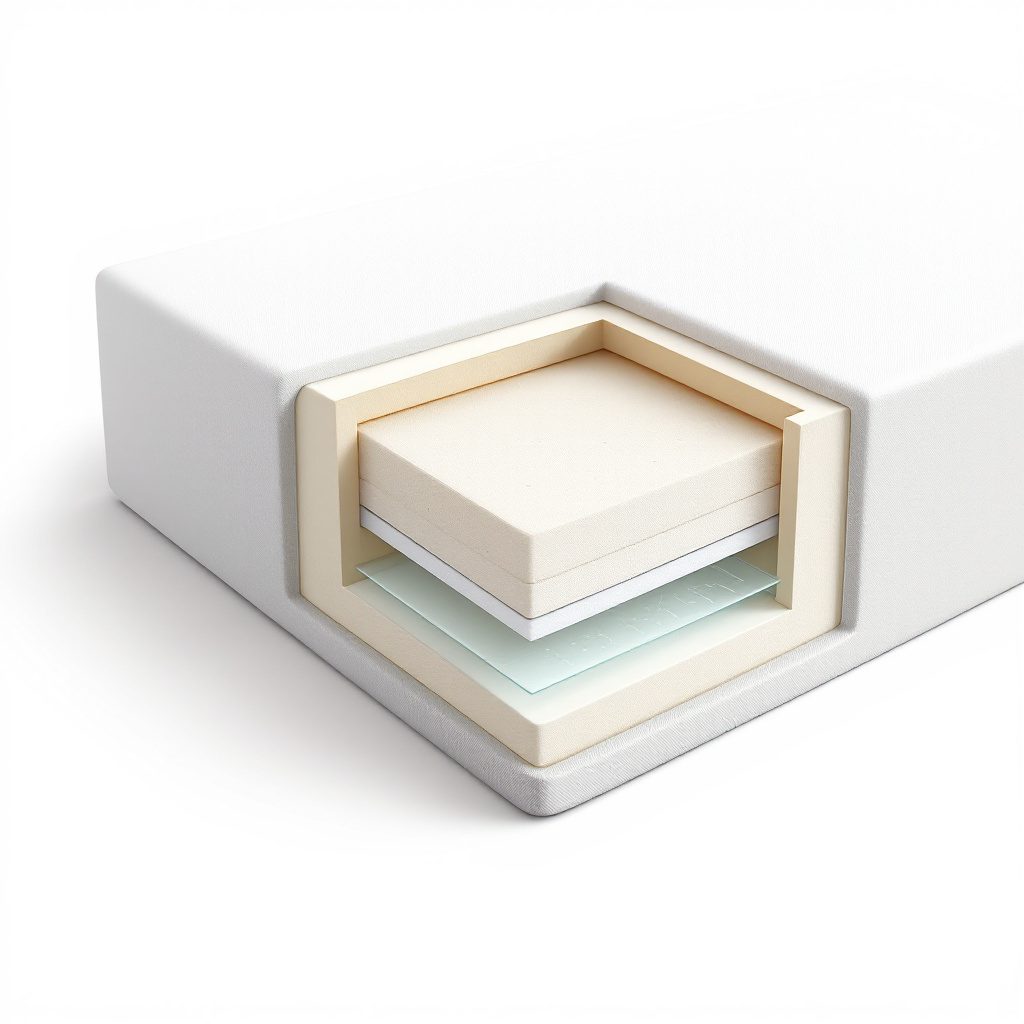
Non-Toxic Deep Dive: Beyond Labels to Real Chemical Safety Standards
When parents ask me about non-toxic crib mattress options, they usually want to avoid harmful chemicals without wading through marketing spin. I’m the same way.
Manufacturers gloss over this part: a mattress can be labeled “organic” or “natural” and still contain adhesives, chemical flame retardants, or polyurethane foams. Frustrating, right?
What Actually Makes a Mattress Safer Chemically
- No added flame-retardant chemicals.
- Low or zero VOC emissions.
- Cotton, wool, or plant-based materials processed under strict standards.
- Water-based glues or mechanical bonding, not chemical binders.

How to Read Past the Label
Look at the fine print. Does a mattress say “organic cotton cover” but never mention the internal core? That core is almost always conventional foam. Not inherently unsafe, but it tells you the product isn’t fully non-toxic.
Want the safest crib mattress in terms of chemical exposure? Look for full material transparency. Clear ingredients. No mystery layers.
Climate and Sleep Style: Matching Mattress Features to Your Nursery Conditions
Two families can buy the same mattress and have totally different experiences. Climate plays a bigger role than most people realize. So do your baby’s sleep habits.
Warm Nurseries
Pick a mattress with strong airflow. Even more important? Choose a firm model that doesn’t trap heat. Foam often sleeps hotter, while coil or breathable core designs stay cooler.
Dry or Cool Homes
You can choose either foam or hybrid designs. Just make sure the surface doesn’t feel icy when you touch it. Babies regulate temperature differently from adults, so consistency helps.
Babies Who Roll Early or Move Constantly
Stick with very firm support and skip pillow-like quilting. Your baby needs a stable surface that won’t form pockets around their face.
Frequent Travelers or Movers
Lightweight foam or two-piece breathable systems will make your life much easier. Heavy mattresses are frustrating when you’re changing sheets at 2 a.m. Ask me how I know.
You don’t need a degree in product safety to pick the safest crib mattress. You just need five minutes and a clear checklist.
Screenshot this:
Your 5-Minute Crib Mattress Safety Checklist Before You Buy
- Press the center, then the corners. It should spring back fast.
- Look for GREENGUARD Gold or CPSC compliance.
- Ignore claims that sound fancy but don’t address support or safety.
- Choose breathability only when it fits your climate or your baby’s needs.
- Scan for clear material transparency and no added flame retardants.
Pass those tests and you’re already ahead of most parents. Want more guidance? Check out these helpful next steps:
[Link: How to Choose a Safe Crib Mattress] [Link: Crib Mattress Safety Standards Explained]
Choosing your baby’s sleep surface shouldn’t feel like decoding a science textbook. With a little clarity and a few hands-on checks, you can cut through the noise and pick a mattress that supports safe, peaceful sleep from day one.