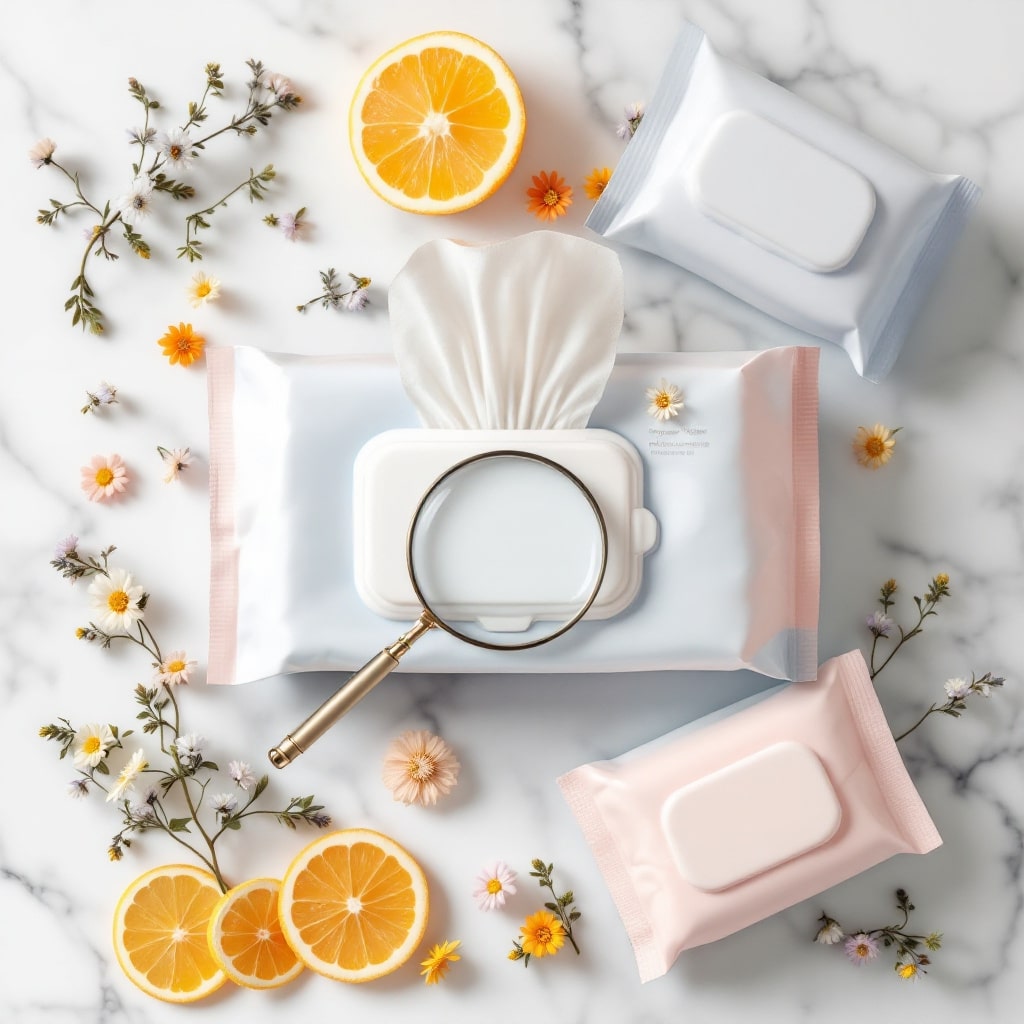
Parents tell me this all the time: the package said “gentle,” but their baby ended up with redness, or worse, a full-blown rash. Sound familiar? The best baby wipes for sensitive skin don’t rely on marketing buzzwords. They rely on ingredients your baby’s skin can actually handle, things like purified water and preservatives that most babies tolerate well. After years of working with eczema-prone little ones, I’ve learned something important: the tiniest ingredient can trigger the biggest reaction.
My goal with this guide is to show you how to read baby wipe labels the way I do as a pediatric dermatologist. I’ve done plenty of hands-on product testing too, and I’ve watched firsthand how newborn skin responds to different formulas. By the time you’re done reading, you’ll know what makes a wipe truly safe, which irritants are hiding in plain sight, and how to match formulas to your baby’s specific skin needs. And yes, I’m including a full ingredient-based ranking of the brands parents ask me about most.
Ingredient Red Flags: 5 Common Irritants Hiding in Sensitive Skin Wipes
A wipe can slap “hypoallergenic,” “fragrance-free,” or “dermatologist recommended” on the label and still be packed with irritants. These are the ones I check for every single time:
- Fragrance, including botanical perfumes. Even “natural” scents can set off eczema.
- Harsh preservatives like methylisothiazolinone. This shows up way more often than you’d expect.
- Citrus extracts. They sound so clean and fresh, right? But tons of babies react to them.
- Phenoxyethanol. Some babies handle it fine, but honestly, I’ve seen plenty who don’t.
- Plant oils and essential oils. Lavender, tea tree, chamomile: they look gentle on the label, but they can be surprisingly rough on sensitive skin.
Ever wondered what ingredients to avoid in baby wipes? Start right here. These account for most of the reactions I see in my practice.
Understanding Your Baby’s Skin: Why Newborns and Eczema-Prone Babies Need Different Formulas
Newborn skin is thin. It’s porous. And it’s incredibly easy to disrupt. Eczema-prone skin? Even more fragile, with a weaker protective barrier that lets irritants sneak through. So even wipes that feel soft or smell “clean” can sting like crazy.
Let me break it down:
- Newborns need wipes with the absolute fewest ingredients.
- Eczema-prone babies need minimal preservatives and zero fragrance. Period.
- Babies dealing with frequent diaper rash need formulas that won’t leave sticky residue behind.
I’ve tested dozens of wipes on babies who fit these profiles, and the difference in reactions can be dramatic. Two babies can have completely opposite responses to the exact same wipe. That’s why parents get so confused, and that’s exactly why I evaluate each formula from multiple angles.
My 3-Point Wipe Evaluation Method (With Printable Checklist)
I teach parents a simple three-step method they can use right at home. Honestly, it’s pretty straightforward:
- Ingredient count: Under 10 is ideal for extremely sensitive skin.
- Preservative safety: Look for preservatives that are commonly well-tolerated, though keep in mind that even something like sodium benzoate can irritate some babies.
- Skin feel and residue: Wipe your own wrist first. Does it feel sticky? Sticky formulas tend to irritate eczema.


Your checklist:
- No fragrance
- No essential oils
- No MI, MCI, or parabens
- Ingredient list under 12
- Mostly water
- Preservatives commonly used in infant products
- No citrus extracts
- No alcohol
Print it, screenshot it, tuck it in your diaper bag. Whatever works.
12 Baby Wipes Ranked: Ingredient Analysis From a Pediatric Dermatology Perspective
My ranking comes from real-world testing with eczema-prone babies plus a thorough ingredient review. Wondering which baby wipes won’t cause diaper rash? These are the ones that tend to perform best.
1. WaterWipes Original
Almost pure water. Just two ingredients. Honestly, this is one of the best options when your baby seems to react to everything else.
2. Coterie Wipes
Super gentle preservatives and great for eczema families. Parents rave about the texture too.
3. Pampers Pure Aqua
A solid choice for newborns with minimal residue.
4. Honest Purely Sensitive
No fragrance, simple formula. Works well for babies who get mild redness.
5. Huggies Special Delivery
Definitely better than the regular Huggies line. Still worth watching for reactions, though.
6. Babyganics Unscented
Those botanical ingredients can be tricky, but some babies do totally fine with these.
7. Seventh Generation Free & Clear
Pretty decent overall, though the ingredient count is a bit higher than I’d like.
8. Kirkland Unscented
Budget-friendly for sure, but not ideal if your baby has severe eczema.
9. Hello Bello Unscented
Fine for lots of babies, but not my go-to for flare-prone skin.
10. Amazon Elements Sensitive
Affordable with moderate irritation risk.
11. Pampers Sensitive
Better than most mainstream wipes, but still not cracking my top picks.
12. Huggies Natural Care
Not great for eczema-prone skin. Those preservatives are the issue.
Use this as a starting point, not gospel. Every baby is different, and patch testing really matters.
Water-Based vs. Organic vs. Fragrance-Free: Which Category Actually Matters Most?
Parents ask me all the time: “Are organic wipes safer?” The truth is that organic doesn’t automatically mean gentle. What really matters is what’s not in there.
When parents want me to rank what counts most, I put it like this:
- Fragrance-free baby wipes
- Minimal ingredients
- Water-based formulas
- Organic or plant-based materials
Organic wipes can still be loaded with plant oils, which are actually common irritants. Water-based wipes can still pack harsh preservatives. So the best baby wipes, the ones that won’t cause irritation, always start with fragrance-free and a short ingredient list.
At-Home Patch Test Protocol: How to Trial Wipes Without Triggering a Flare-Up
I’ve watched this simple step save parents weeks of frustration and multiple doctor visits. Seriously, don’t skip it.
- Pick a small area on the thigh or arm.
- Wipe gently once.
- Wait 24 hours.
- Look for redness, bumps, or dryness.
- All clear? Test again on a larger area the next day.
Testing becomes even more critical when your baby has eczema. Sometimes reactions don’t show up until day two, so don’t rush this part.
Choosing the best baby wipes for sensitive skin doesn’t have to feel like you’re solving a mystery. Look at the ingredients, not the claims. Match the formula to your baby’s skin type. And patch test everything, because I can’t stress this enough. When you’re unsure or dealing with flare-ups that just won’t quit, a pediatric dermatologist can help pinpoint the exact trigger.
Looking for more? You might find these helpful:
- [Link: diaper rash prevention]
- [Link: newborn skin care basics]
- [Link: eczema-safe bath routines]
Your baby’s skin will tell you what works. Remember that three-point evaluation method from earlier? Use it every time you’re standing in that baby aisle, staring at too many options, unsure which package to grab. Once you learn to read those signals, picking the right wipe gets so much easier.