New parents are told they need everything. The $1,500 registry, the giant stroller system, the wipe warmer that claims to change your life. But here’s the thing. If you walk into a NICU or a standard newborn nursery, the setup is shockingly simple. I’ve spent years studying infant wellness and baby product safety, and I’ve seen how little babies actually require. Families are always surprised when I walk them through the baby gear you truly need and how much of the registry hype falls apart once you see what hospitals use every single day.
My goal? To give you the kind of clarity that helps you breathe again. Been scrolling registries at 2 a.m. wondering what baby products you actually need? Yeah, I’ve been there with parents countless times. This guide will steady you. I’m blending my experience as a baby care expert with insights NICU nurses often share with parents. The result is an honest breakdown of newborn must-haves, what can wait, and what ends up gathering dust in a closet somewhere.
The Hospital Test: What Medical Professionals Actually Use for Newborns
Want a reality check on baby gear basics? Start where newborns receive the highest level of care. Hospitals rely on items that are safe, practical, and proven. Zero fluff. Zero frills.
Here’s what you’ll see in almost every NICU or nursery:
- Diapers
- Wipes
- Swaddling blankets
- Firm, flat sleep surfaces
- Basic feeding supplies
- Nasal bulb syringes
- Skin-to-skin time, which honestly beats every gadget out there
Nothing fancy. Wipe warmers don’t make the list. Neither do cushioned loungers or vibrating gadgets. Babies thrive with consistency and closeness, not clutter. Sounds too simple, right?
When I’m helping parents build a minimalist baby registry, I borrow this mindset. Start with what works in a clinical setting. Add comfort items supported by real-world use. Skip the rest.
The Core 12: Evidence-Based Baby Products Worth Every Dollar
My no-fluff list of baby products that actually get used daily:
- Safe, firm crib or bassinet with a fitted sheet
- Quality car seat that installs easily
- Newborn and size 1 diapers
- Unscented wipes
- Five to eight basic zip sleepers (trust me on the zippers. You’ll thank me at 3 a.m.)
- Swaddle blankets or Velcro swaddles
- Bottles with slow-flow nipples, even if you’re planning to breastfeed
- Reliable breast pump if you want to express milk
- Nasal suction tool, either basic bulb or hospital-style
- Fragrance-free baby wash and lotion
- Simple baby carrier
- White noise machine with steady, continuous sound
Safety, comfort, feeding. That’s it. Nothing else makes the cut. Most trendy gadgets didn’t survive my list. And honestly? Babies don’t judge you for skipping expensive gear. They care about being warm, fed, and held.
The Marketing Trap: Popular Items That Fail the Practicality Test
Some products look great online but totally flop in real use. These are the ones I see parents regret the most, and I hear about it all the time:
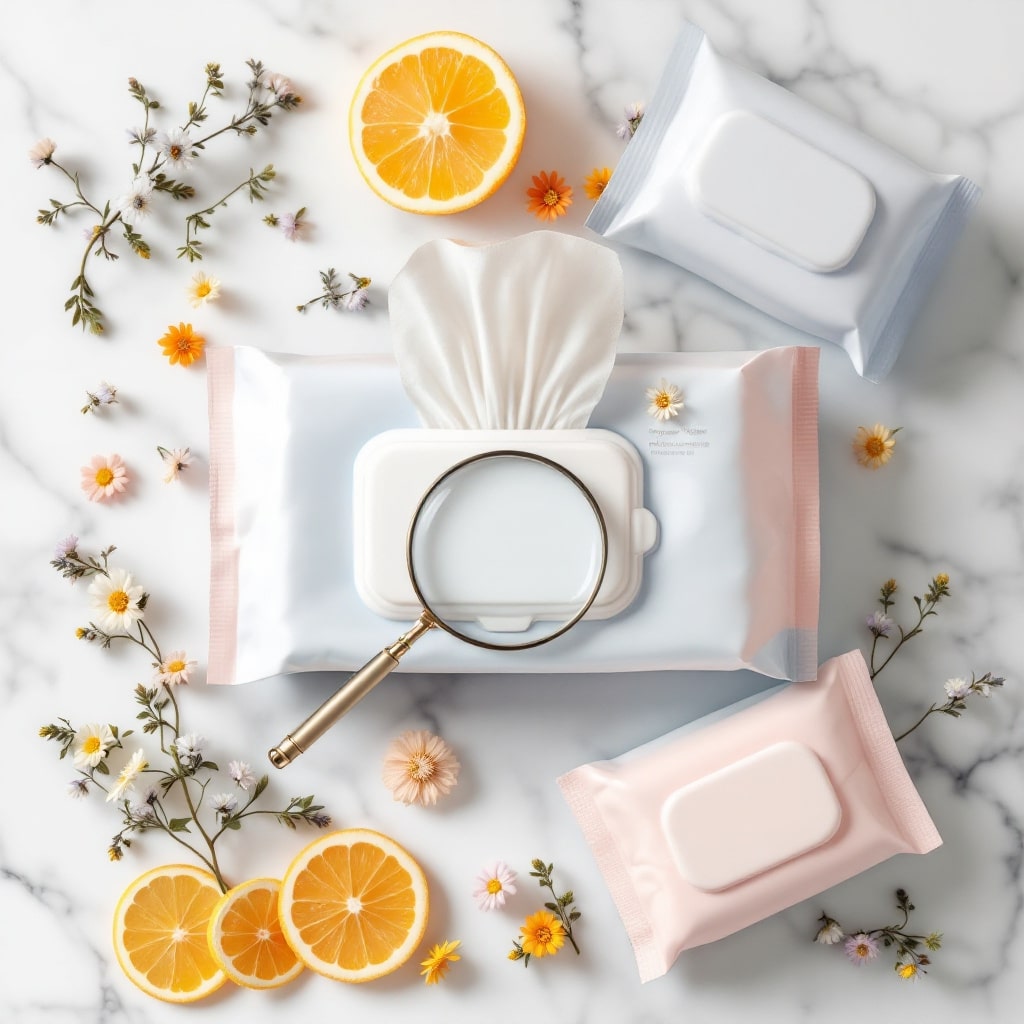
- Wipe warmers: They dry out wipes and break easily.
- Fancy baby tubs with lots of parts
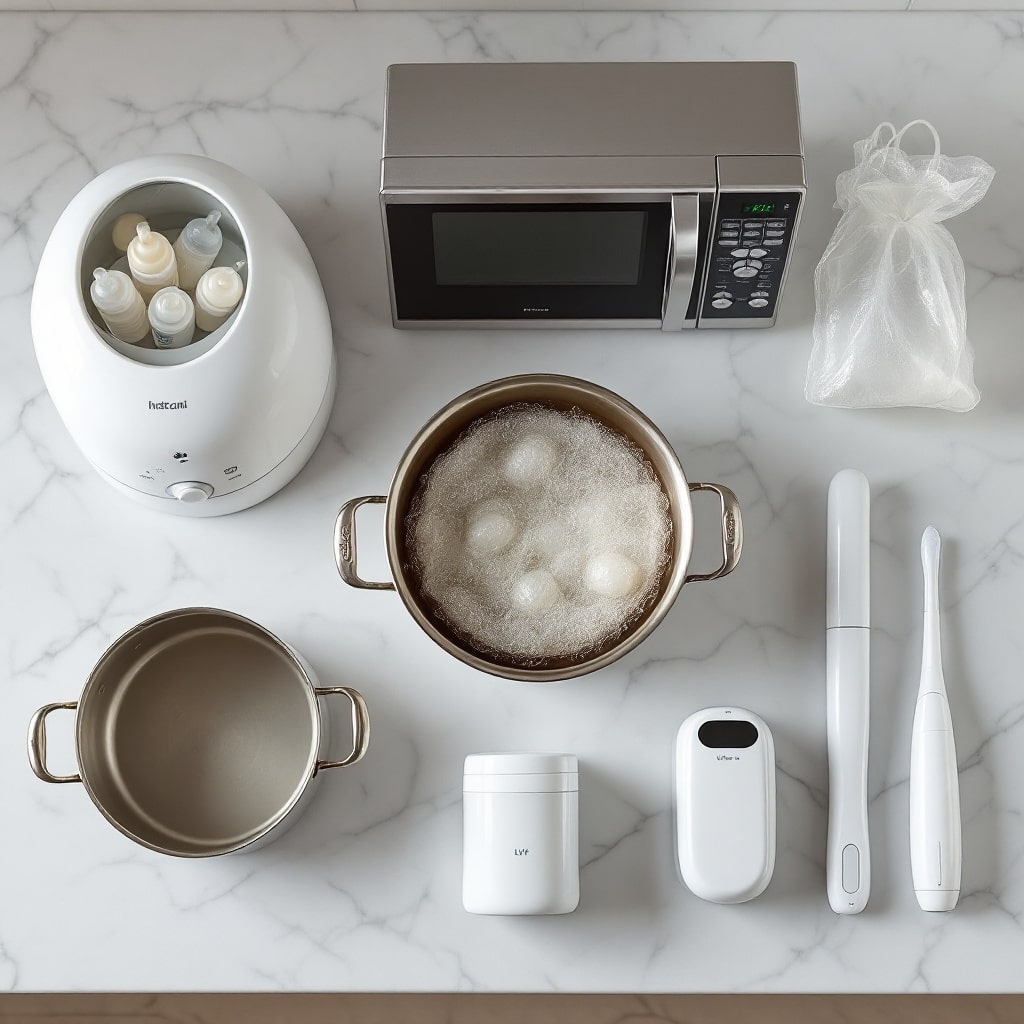
- Bottle sterilizers: Boiling water works just fine.
- Newborn shoes (I mean… they can’t even walk yet)
- Multiple activity seats or loungers
- Expensive crib bedding sets
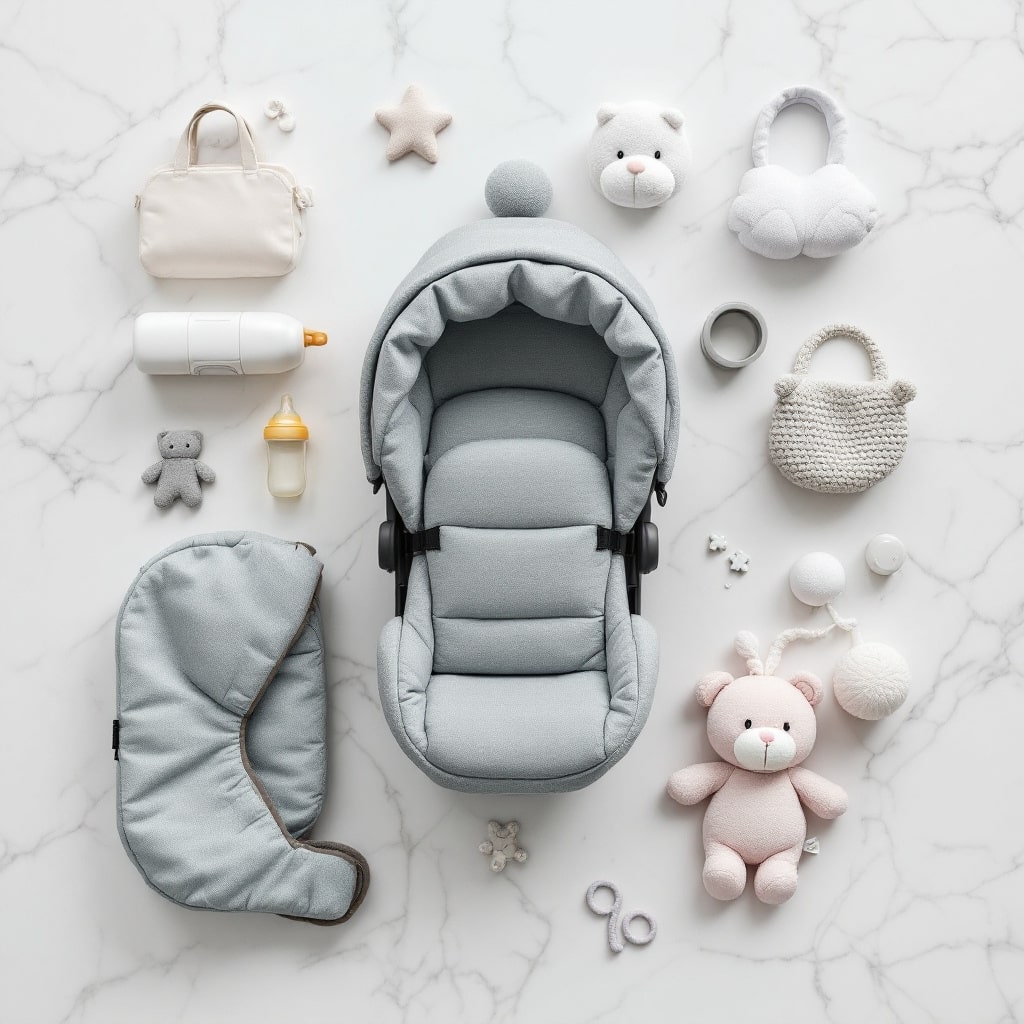
- Giant stroller travel systems that are way too heavy for everyday life


Look, I’m not here to shame anyone’s purchases. I’m here to save your sanity and your wallet. Want to know how to avoid overbuying baby items? Ask yourself if the product solves a real daily problem. If the answer is no, skip it.
The 72-Hour Rule: How to Avoid Emotional Overbuying Before Baby Arrives
There’s a simple strategy I teach parents all the time. Want something but you’re on the fence? Wait 72 hours. Just three days.
Why does this actually work?
- Hormones settle.
- Marketing pressure fades.
- Checking reviews or asking another parent becomes possible.
- Clutter and buyer’s remorse? Avoided.
Most impulse items don’t survive the three-day pause. And if they do? Buying happens with confidence, not panic. It’s kind of amazing how much clarity a little time gives you.
Category-by-Category Breakdown: Sleep, Feeding, Diapering, Transport, and Safety
Breaking this into categories makes the whole process way easier to tackle.
Sleep
Babies need:
- Firm, flat sleep surface
- Snug fitted sheet
- Swaddles
That’s all. Sleep positioners are unnecessary. Crib bumpers are unsafe. Plush bedding creates risk, not comfort. Simplicity keeps babies safe, and honestly, it keeps you sane too.
Feeding
Whether you’re breastfeeding or formula feeding, you’ll want:
- Bottles
- Slow-flow nipples
- Burp cloths (more than you think)
- Pump if breastfeeding
- Formula on hand, even if just as backup
New parents are often surprised by how much troubleshooting feeding requires. Having options really helps when you’re exhausted and something isn’t working.
Diapering
Keep it basic:
- Diapers in two sizes
- Quality wipes
- Diaper cream
- Small changing caddy
The giant changing table setup isn’t necessary unless it genuinely fits your home and lifestyle.
Transport
Two things matter:
- Car seat
- Lightweight stroller or simple carrier
Those heavy stroller systems might look impressive, but they can be a total pain to actually use. I’ve watched so many parents wrestle with them in parking lots. Not worth it.
Safety
Low-tech items go a long way:
- Nasal suction
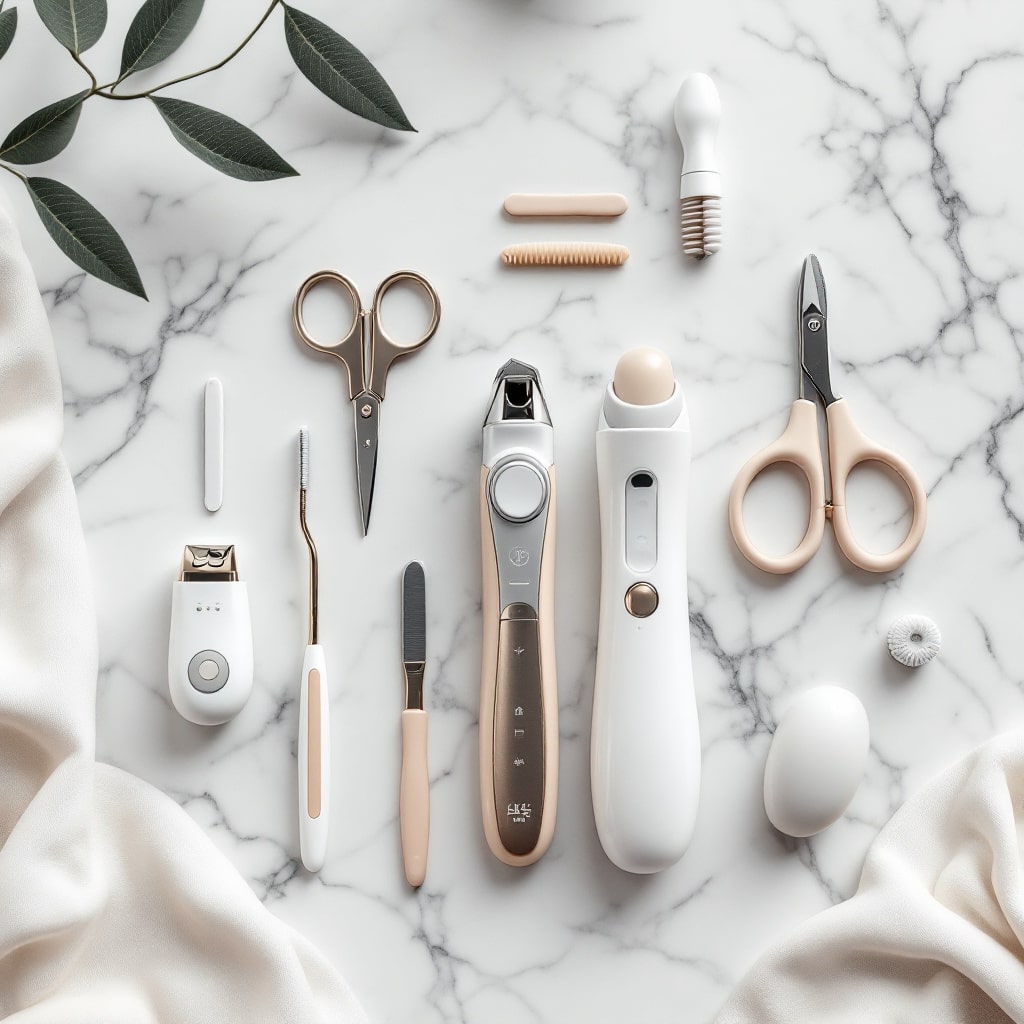
- Nail file (those tiny nails are sharp!)
- Thermometer
- Humidifier for dry climates
As for babyproofing? That can wait until your baby actually starts moving.
Minimalism isn’t about depriving your baby. It’s really about not drowning in stuff you’ll never use, and saving your energy for what actually matters.
A simple, printable checklist:
- Safe sleep space
- Car seat
- Diapers and wipes
- Swaddles
- Five to eight sleepers
- Bottles
- Pump if needed
- Basic bath and grooming supplies
- Nasal suction
- Carrier
- White noise machine
Everything else can be added later. Babies don’t need much in the beginning, and you’ll figure out what matters once you actually meet your baby and settle into daily life. Trust yourself on this one.
Want to build your own minimalist baby registry or explore newborn must-haves by scenario? Check out these helpful guides too, like [Link: practical baby registry checklist] or [Link: what to buy before baby arrives].