I’ll never forget standing in a baby store during my first year working in infant wellness, completely overwhelmed by wall-to-wall gear. Every box was plastered with safety claims and five-star ratings. A first-time mom next to me looked equally lost, clutching her phone with a registry list that seemed to grow longer by the minute. “How do I know any of this is actually safe?” she asked me. That question changed everything about how I approach baby product research. Because here’s the thing, star ratings don’t tell you much about safety. Neither do pretty packaging or celebrity endorsements. What actually works? Having a system.
A quick, repeatable method that cuts through all that marketing noise. The baby product industry generates over $15 billion annually in the United States alone. With thousands of products flooding the market each year, you’re facing an almost impossible task: sorting genuinely safe options from those that merely look the part. A baby product safety checklist isn’t just nice to have. It’s your defense against clever marketing, outdated inventory, and products that might have slipped past initial safety reviews.
In this guide, I’m sharing the exact rapid-assessment framework that pediatric safety experts use when evaluating baby gear. It takes about five minutes once you know what to look for. And honestly? It’s the same process I use every single time I research products for parents. You’ll learn how to decode certifications, spot red flags hiding in product descriptions, run instant recall checks, and understand what different safety standards actually guarantee. By the end, you’ll have a printable checklist you can take into any store, or pull up during those late-night online shopping sessions when everything starts to blur together.
The 5-Minute Safety Test: Breaking Down the Pediatric Assessment Framework
When pediatricians and child safety specialists evaluate baby products, they don’t read every review or compare every feature. They run through a systematic check that covers the highest-risk factors first. Here’s the exact framework broken into five one-minute steps:
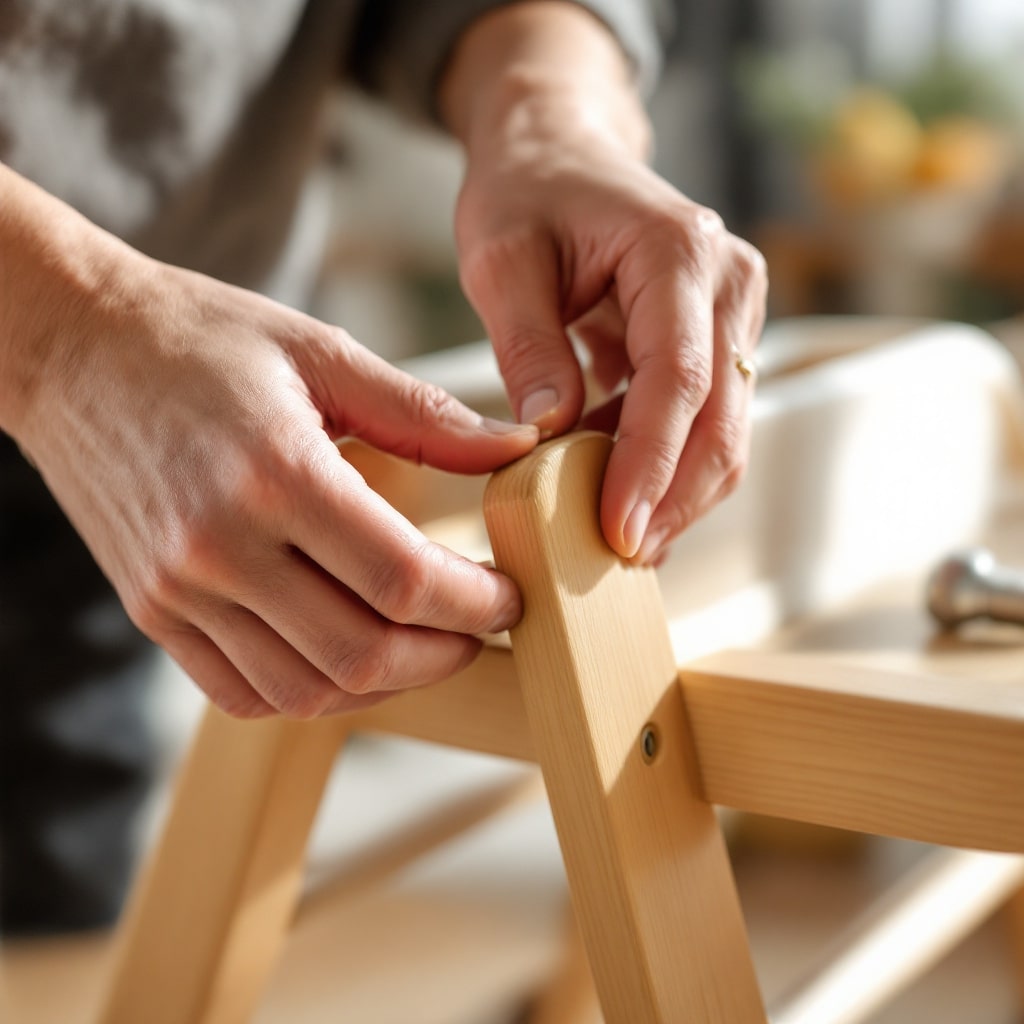
Minute 1: Structural Integrity Check Pick up the product (or zoom in on photos if you’re shopping online). You’re looking for sturdy construction, secure fasteners, and no wobbling parts. Press on weight-bearing surfaces. Do they flex or hold firm? Hinges and folding mechanisms deserve extra attention, these are where things tend to fail.
Minute 2: Entrapment and Strangulation Assessment Measure any openings. Gaps between 3.5 and 9 inches can trap a baby’s head. Scan for strings, cords, or loose fabric longer than 7 inches. Decorative elements that could detach or wrap around tiny fingers? Those need scrutiny too.
Minute 3: Material Safety Scan You’ll want to spot non-toxic baby product indicators on packaging. Scan for phthalate-free, BPA-free, and lead-free claims. Note the country of origin and research that country’s manufacturing standards if you’re not familiar with them.
Minute 4: Age and Weight Appropriateness Read the fine print on age limits and weight restrictions. These aren’t suggestions. They’re based on center-of-gravity calculations and developmental milestones that affect how babies actually interact with products. Skip this step at your own risk.
Minute 5: Documentation Review Don’t skip the assembly instructions, safety warnings, and registration cards. Reputable manufacturers include detailed documentation. Sparse or missing instructions? That often signals quality control issues. This framework works whether you’re shopping for safe baby products for newborns or evaluating gear for an active toddler. The fundamentals stay the same. ## Certification Decoder: JPMA, ASTM, and CPSC, What Each Actually Guarantees (and What They Don’t) Safety certifications can feel like alphabet soup. Let me break down what each one actually means for your purchasing decisions.
JPMA (Juvenile Products Manufacturers Association) JPMA-certified baby products have passed independent testing for specific product categories. Here’s the catch, though: certification is voluntary. When I’m researching a product, JPMA certification tells me the company cared enough to submit their product for third-party testing. That matters. However, JPMA certification only covers specific product types, high chairs, play yards, strollers, and the like. It doesn’t cover everything, and passing once doesn’t guarantee ongoing compliance.
ASTM (American Society for Testing and Materials) ASTM develops the actual standards that products get tested against. When you see “Meets ASTM F2057” on a dresser, that means it passed anti-tip testing according to ASTM’s specifications. The limitation? Meeting ASTM standards is voluntary for many product categories. And honestly, standards sometimes lag behind emerging safety concerns.
CPSC (Consumer Product Safety Commission) Here’s where actual enforcement power lives. The CPSC sets mandatory baby product safety standards for cribs, play yards, bassinets, and several other categories. Products must comply with these standards to be legally sold. But, and this is important, the CPSC doesn’t pre-approve products before they hit shelves. They primarily act reactively, investigating complaints and issuing recalls after problems emerge.
Understanding these distinctions helps you evaluate safety ratings for baby products more accurately. A product with JPMA certification and CPSC compliance gives you more assurance than one with neither. But no certification replaces hands-on inspection. ## The 30-Second Recall Check: Your Non-Negotiable Pre-Purchase Ritual Here’s something that should genuinely scare you: recalled products often stay on shelves. Secondhand items circulate for years after recalls. And parents buy them, completely unaware of documented safety issues. Learning how to check baby product recalls takes 30 seconds and should become automatic before every purchase.
Here’s exactly what I do:
For quick checks: Visit CPSC.gov/Recalls and use the search function. Type the brand name and product type. Scroll through results for your specific model. Done.
For thorough research: Sign up for email alerts from CPSC.gov to get notifications when new recalls drop in categories you care about. I recommend every parent set this up before their registry shower.
For secondhand items: Pay even closer attention here. That gorgeous vintage high chair might predate current safety standards entirely. Verify the manufacture date against current regulations, not just recall lists.
For ongoing monitoring: Register your products with manufacturers. Yes, it’s annoying to fill out those cards. I get it. But registration means you’ll receive direct notification if a recall affects your specific purchase. This parent checklist for baby product safety step alone could prevent serious injuries. I’ve seen parents discover recalls on items they’d used for months, simply because nobody taught them this basic habit. ## Red Flags Hidden in Plain Sight: Warning Signs in Descriptions, Reviews, and Product Design Not everything dangerous triggers a recall. Some products are technically legal but poorly designed. Others have problems that only emerge through user experiences. Here’s what to watch for:
Review Red Flags: Go beyond star averages. Search reviews for words like “broke,” “collapse,” “sharp,” “pinch,” and “recalled.” Multiple reports of the same issue, even if minor, suggest systemic quality problems. Also pay attention to reviewer demographics. A product rated five stars by parents of three-month-olds might fail spectacularly when babies start pulling up or climbing. Sound familiar?
Description Warning Signs: Vague safety claims without specific certifications should raise eyebrows. Phrases like “safety tested” mean nothing without naming the testing body. “Meets all applicable standards” should specify which standards. Missing weight or age limits? That suggests the manufacturer hasn’t done proper developmental testing.
Design Concerns: Watch for excessive decorative elements on sleep products, small removable parts on anything for children under three, and complex assembly that increases user error risk. Trust your gut on these. [Link: how to read baby product labels] for more on decoding marketing language versus actual safety information. ## Category-Specific Safety Standards: Car Seats, Cribs, Strollers, and Beyond Different product categories carry different risks. Here’s your safe baby gear guide broken down by the gear parents ask me about most:
Car Seats These have the strictest federal requirements. You’ll want to verify FMVSS 213 compliance (it’s mandatory, but verify anyway). Check your specific car seat for the expiration date, expiration periods vary by manufacturer and typically range from 6 to 10 years. Also inspect for crash history. Previously crashed seats should never be reused. Ever. The safest strollers and car seats for infants come from established manufacturers with consistent safety records. I’m less concerned with extra features than with a clean recall history.
Cribs Since 2011, all new cribs must meet the CPSC’s updated crib standards. We’re talking slat spacing under 2 3/8 inches, no drop sides, sturdy mattress support, and specific hardware requirements. Avoid used cribs unless you can verify the manufacture date and compare against current standards. The savings just aren’t worth the risk.
Strollers JPMA certification matters here. Examine braking systems, folding mechanisms (pinch hazards are common), and harness quality. The five-point harness should adjust easily but stay secure.
High Chairs I’ve seen too many tip-over injuries to skip stability testing. Verify that the base is wider than the seat and that restraints include a crotch strap, not just a waist belt.
Baby Monitors Minimal regulation exists in this category, unfortunately. Focus on cord strangulation prevention by keeping cords at least three feet from the crib. Secure wall-mounted units properly. [Link: pediatrician-recommended baby products] for specific model suggestions in each category. Let’s bring everything together into an actionable baby product safety checklist you can use starting today.
Before Every Purchase:
- Run the 30-second recall check on CPSC.gov
- Verify relevant certifications (JPMA, CPSC compliance, ASTM standards)
- Compare age and weight limits against your child’s current stats
- Read negative reviews specifically for safety-related complaints
- Inspect (or zoom in on) structural elements, fasteners, and materials The 5-Minute Test:
- Minute 1: Structural integrity
- Minute 2: Entrapment/strangulation assessment
- Minute 3: Material safety
- Minute 4: Age appropriateness
- Minute 5: Documentation review After Purchase:
- Complete the manufacturer registration card
- Sign up for CPSC email alerts at CPSC.gov
- Join parent groups for your specific products (real-world issues surface here first)
- Set a calendar reminder to recheck recalls every six months Staying updated matters because baby product safety standards evolve.
What passed testing five years ago might not meet current guidelines. New research reveals previously unknown risks. Follow the CPSC’s social media accounts for recall announcements. Subscribe to consumer advocacy newsletters. And trust your instincts, if something feels flimsy or poorly designed, it probably is. I’ve spent years helping parents navigate how to choose safe baby products, and the single biggest shift I’ve seen is parents moving from passive trust to active verification.
You don’t need to become a safety engineer. You just need a reliable system, five minutes, and the confidence to walk away from products that don’t pass muster. Your baby’s safety isn’t negotiable. And now you’ve got the tools to protect it.