I’ve spent the last decade helping new parents navigate the overwhelming world of baby gear, and nothing generates more confusion than baby carriers. Every brand claims to be “ergonomic.” Every product page shows a blissful parent with perfect posture. But here’s what I’ve learned from working alongside pediatric physical therapists and fitting thousands of carriers: most reviews get it completely wrong.
Your typical carrier review goes something like this. Someone wears the carrier around their house for an afternoon, comments on the fabric softness, and declares it “comfortable.” That’s not a review. That’s a first impression.
When I set out to find the best ergonomic baby carrier for newborns, I partnered with Dr. Sarah Chen, a pediatric physical therapist who specializes in infant development and postpartum recovery. Together, we developed testing criteria that actually matter: hip positioning for growing joints, spine support for developing vertebrae, and parent body mechanics that won’t leave you hobbling after a morning walk.
We conducted extensive testing of several popular carriers across three different body types. Real parents. Real babies. Real feedback that goes beyond “it felt nice.”
What “Ergonomic” Actually Means: The Science of Newborn Hip and Spine Safety Explained Simply
So what does “ergonomic” actually mean beyond the buzzword? When a carrier makes this claim, it should mean two specific things.
First, the baby’s hips need to sit in an M-position, also called the “frog leg” position. Knees higher than the bottom, thighs supported to the knee. This isn’t preference. It’s about hip joint development. The International Hip Dysplasia Institute has been clear: improper positioning during the first months can contribute to hip problems. Look for carriers with the IHDI “hip-healthy” designation.
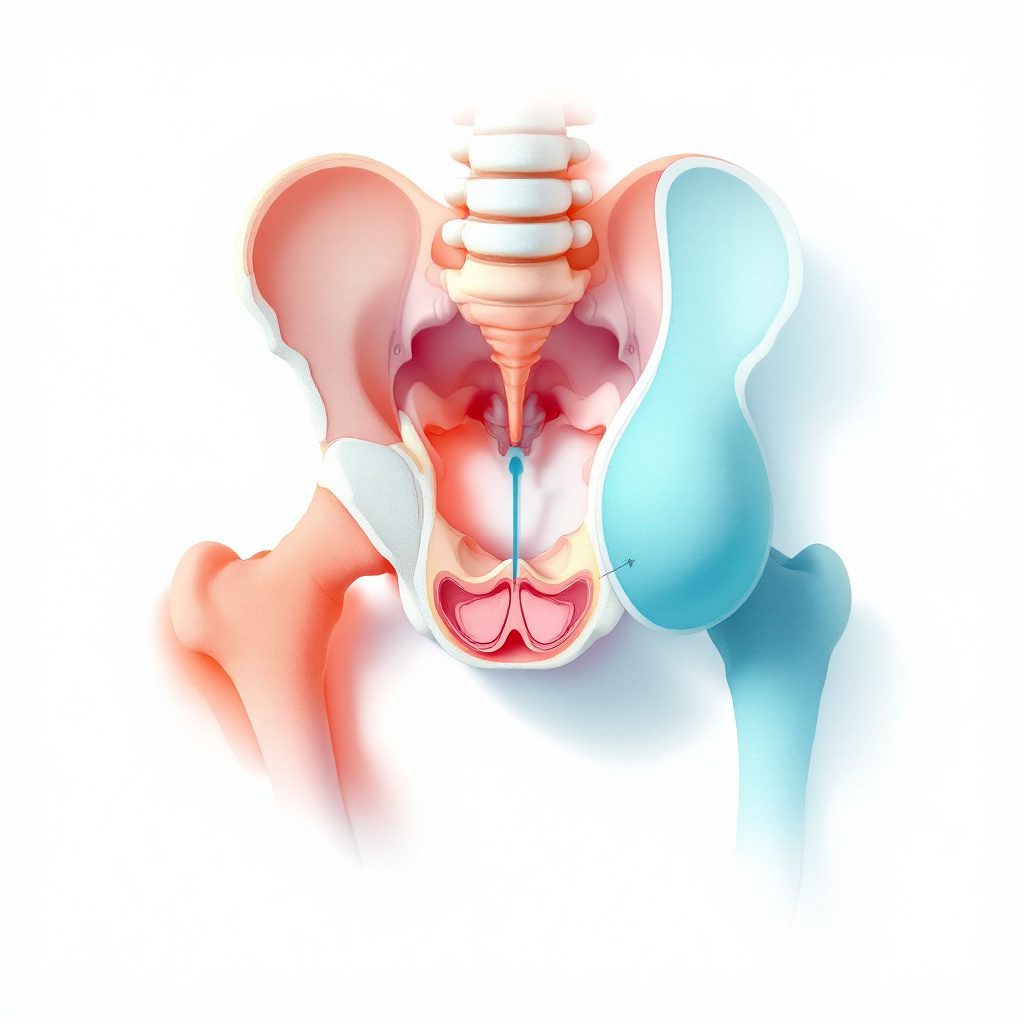
Second, the baby’s spine should maintain its natural C-curve. Newborns aren’t meant to be ramrod straight. Their spine is still developing those adult curves, and a baby carrier safe for newborn spine and hips will cradle them in a gently rounded position with their chin off their chest.
Here’s what drives me crazy: some carriers technically check these boxes but require such precise adjustment that 90% of parents never achieve proper positioning. That’s a design failure, not a user error.
The Parent Body Problem: Why Your Back Hurts and What Carrier Features Actually Fix It
You know that burning sensation between your shoulder blades after 20 minutes of carrying? That’s not weakness. It’s poor weight distribution.
Dr. Chen walked me through the biomechanics. When a carrier doesn’t transfer weight effectively to your hips and core, your trapezius muscles and lower back compensate. They’re not designed for sustained load-bearing. They fatigue. They hurt.
A baby carrier with lumbar support helps, but it’s only part of the equation. Here’s what actually matters:
Wide, padded shoulder straps that don’t dig into the trapezius muscle. Straps should hit the meaty part of your shoulder, not near your neck.
A structured waistband that sits at or slightly below your natural waist, not at your hips. Weight transfer happens here, and getting this wrong ruins everything.
Adjustable torso length so the baby sits at kissable height. Having to crane your neck down to kiss their head? Baby’s too low.
I hear one question more than any other: which baby carrier won’t hurt my back? Honestly, it depends on your body. A carrier that’s perfect for someone 5’2″ might be torture for someone 6’1″. That’s why our testing involved multiple body types.
Our Testing Process: Multiple Carriers, Three Body Types, Pressure Mapping, and Pediatric Assessment Criteria
 We didn’t just wear these carriers. We analyzed them.
Our testing panel included three parent volunteers: Maya (5’1″, 115 lbs), Jordan (5’8″, 180 lbs, eight weeks post C-section), and Marcus (6’2″, 245 lbs). Each tested every carrier across multiple sessions.
Dr. Chen evaluated each carrier for:
- Ease of achieving proper infant positioning
- Hip spread angle measurement
- Spine curve maintenance
- Chin-to-chest clearance
- Weight distribution on parent shoulders, back, and hips
My focus was practical considerations. How easy is it to put on alone? Can you adjust while wearing it? Does the fabric breathe? Can you breastfeed in it?
Carriers tested included popular models such as the Ergobaby Omni 360, BabyBjörn Harmony, Tula Explore, Lillebaby Complete, and others. Some surprised us. Others disappointed.
Top Picks by Situation: Best Overall, Best for C-Section Recovery, Best for Petite Parents, Best for Plus-Size Parents, Best Budget Option
After weeks of testing, here’s our honest ergonomic baby carrier review broken down by what you actually need.
Best Overall: Ergobaby Omni Breeze
This carrier consistently scored highest across body types and evaluation criteria. And the lumbar support is genuine, not just marketing. Crossable straps work for petite frames while still accommodating larger parents. Dr. Chen noted that newborn positioning was intuitive with the built-in infant insert alternative.
Is it perfect? No. You’ll face a steeper learning curve than some competitors, and at around $180, it’s an investment. But for a pediatrician-recommended baby carrier, this is our top choice.
Best for C-Section Recovery
Jordan was our C-section tester, and she was adamant: the Nuna Cudl gets this category. Here’s why. Magnetic buckles mean no fumbling at your waist. A waistband that sits higher than most completely avoids the incision line. She could put it on without any abdominal strain.
Happy Baby Original also worked well, wrapping softly with no rigid waistband at all. However, it requires more adjustment skills.
Best for Petite Parents
Maya tested extensively and kept coming back to the BabyBjörn Harmony. Most baby carriers drowned her small frame, with excess fabric bunching and straps that wouldn’t tighten enough. BabyBjörn’s streamlined design and smaller minimum settings created a proper fit.
Ergobaby with crossed straps was a close second. Finding the best baby carrier for petite or plus-size parents requires brands that actually design for size variety, not just adjust around average.
Best for Plus-Size Parents
Marcus and two additional testers (sizes 2X and 3X) evaluated every carrier for true inclusivity. Lillebaby Complete won this category. Its waistband extends to approximately 52 to 54 inches without an extender, and an extender accessory is available for those who need additional length. Buckles are positioned for side access rather than center-back, making solo application possible.
Tula Free-to-Grow also performed well, with soft fabric that conformed to different torsos without gapping.

Best Budget Option
Infantino Flip Advanced surprised us. At under $40, expectations were low. But it achieved acceptable hip positioning (Dr. Chen verified), and weight distribution, while not matching premium carriers, was adequate for shorter wearing sessions. Want to test whether babywearing works for your family before investing more? Start here.
The Fitting Guide Most Brands Won’t Give You: A PT’s Step-by-Step for Newborn Safety
Dr. Chen shared her clinic protocol for carrier fitting, and I’m passing it to you because this matters more than which carrier you buy.
Step 1: Check the chin. You should always see your baby’s face. One to two finger widths should fit between their chin and chest. A chin touching the chest means compromised breathing.
Step 2: Verify the kiss test. You should be able to kiss the top of their head easily. Not reaching up. Not bending down significantly. Baby too low? Tighten the shoulder straps. Too high? Loosen the waistband position.
Step 3: Feel the back. Run your hand along baby’s spine. You should feel a gentle C-curve, not straightness and not folding over.
Step 4: Check hip position. Support those thighs from buttock to knee, with knees higher than bottom. It should look like a little frog. Narrow crotch panels create dangling legs, which stress hip joints.
Step 5: Test your own body. March in place. Bend side to side. Significant baby shifting or strain in one spot means something’s off.
Practice at home with supervision before wearing out. And here’s a tip most brands won’t tell you: babies often hate carriers at first. Give it multiple tries before deciding a carrier “doesn’t work.”
Final Verdict: When to Buy, When to Skip, and How to Actually Use What You Choose
Look, you don’t need to overthink this. Here’s your quick decision framework:
Budget isn’t a concern? Get the Ergobaby Omni Breeze. It works for most bodies and meets all safety criteria.
Recovering from surgery? Prioritize magnetic closures and high waistbands. Nuna Cudl or Happy Baby.
Outside the “average” size range? Lillebaby for larger frames, BabyBjörn for smaller.
Budget-conscious? Start with the Infantino Flip Advanced. Upgrade later if babywearing becomes part of your routine.
And when should you skip the carrier entirely? Severe back injuries or spinal conditions mean talking to a PT first. Babies with torticollis or other positioning concerns need clearance from their pediatrician. Some bodies and some babies simply do better with strollers. That’s completely fine.
Here’s the truth: the best ergonomic baby carrier for newborns is ultimately the one you’ll actually use correctly. All the fancy features mean nothing if it lives in your closet.
My recommendation? Buy from a retailer with a good return policy. Try your top choice at home. Practice the fitting steps. Give it a week. And if your back screams or your baby protests, try again with a different option.
You’ve got this.